Source Weather Resistant Steel Padlock for Household, Industrial, Commercial
Compare 30 weather resistant steel padlock options from verified Chinese manufacturers. Buyers can evaluate materials, sizes, and key configurations for household, industrial, and commercial applications. Explore various locking structures and packing details to find the right fit for your specific security needs and budget constraints.
Key considerations
Products List




Comprehensive Sourcing Guide
Weather Resistant Steel Padlock Sourcing Guide
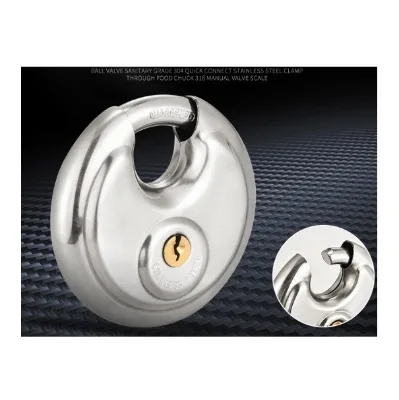
Procuring weather-resistant steel padlocks requires distinguishing between general steel constructions and those specifically engineered for harsh environments. The observed market data indicates a diverse range of materials, including brass, steel, and iron, with specific models like the SL9902 and TSJ50 appearing in listings. Buyers must verify that the "steel" designation in product titles aligns with actual corrosion-resistant treatments, as standard carbon steel may degrade rapidly without proper plating or galvanization.
Selection should prioritize locks explicitly marketed for outdoor or industrial usage, such as those labeled with waterproof attributes or bucket locking structures. While some listings mention brass components for keys, the lock body material is the primary determinant of weather resistance. Sourcing teams should scrutinize product descriptions for specific mentions of protective coatings or sealed mechanisms to ensure the steel body can withstand moisture, salt spray, and temperature fluctuations common in outdoor storage or industrial facilities.
Product Scope and Observed Listing Signals
The current market presents a wide spectrum of padlock configurations, ranging from password locking mechanisms to traditional pin tumbler designs. Observed listings feature models with varying shackle sizes, including standards like 20mm, 25mm, 30mm, and up to 100mm, catering to different security needs. Buyers should note that while some products are described as "stainless steel," others are simply "steel" or "iron," necessitating a careful review of material specifications to confirm the intended durability against rust and weathering.
Packaging and key inclusion vary significantly across suppliers, with some offering three keys per unit and others providing five or even computer-keyed options. The observed price range of 0.1 to 8.84 USD suggests a highly competitive market with varying quality tiers, where lower prices may correlate with thinner steel or less robust weather sealing. Procurement teams must align their specific security requirements with the observed product models, such as the AL-40 or GR series, to ensure the selected item matches the physical dimensions and locking structure required for the application.
Technical Specifications to Verify
When evaluating technical specifications, the lock body construction and shackle dimensions are critical for weather resistance and security. Buyers should verify that the steel used is of sufficient grade, potentially looking for references to specific standards like 65# steel, which may indicate hardness and tensile strength. The physical dimensions, such as the 40mm or 50mm body sizes observed in listings, must be matched against the target hasp or chain thickness to ensure a proper fit that prevents prying or cutting attacks.
Sealing mechanisms and keyway protection are equally vital for maintaining performance in wet conditions. Some observed products feature waterproof attributes or wrapped steel bodies, which are essential for preventing internal corrosion. Buyers must confirm the presence of sealed keyways or gaskets that prevent water ingress, as standard pin tumbler locks without these features can freeze or jam in humid environments. Additionally, the key material, often brass in observed listings, should be checked for corrosion resistance to ensure reliable operation over time.
Compliance and Safety Documentation
Compliance documentation serves as a primary indicator of a manufacturer's commitment to quality and safety standards. Several observed listings explicitly mention CE and RoHS certifications, which are essential for products entering European markets and indicate adherence to environmental and safety regulations. Buyers should request valid test reports or certificates of conformity to verify that the steel padlocks meet these specific standards, ensuring that the materials used do not contain hazardous substances and that the manufacturing process adheres to safety protocols.
Beyond environmental compliance, safety certifications related to mechanical strength and durability are crucial for industrial applications. While some listings mention SGS quality checks, buyers should ensure that these certifications cover the specific weather-resistant properties of the lock. It is important to verify that the testing protocols include salt spray tests or humidity exposure evaluations, as standard mechanical strength tests may not fully validate the lock's ability to resist long-term weathering. Without these specific validations, the claimed weather resistance may be unreliable.
Cost Drivers and Commercial Terms
Cost drivers for weather-resistant steel padlocks are heavily influenced by material quality, manufacturing complexity, and certification requirements. The observed price range suggests that factors such as the use of brass keys, specific steel grades, and additional protective coatings significantly impact the final unit cost. Buyers should understand that lower-priced items may lack the necessary galvanization or sealing to withstand harsh weather, making it essential to balance initial cost against the total cost of ownership and potential replacement frequency.
Commercial terms, including Minimum Order Quantities (MOQ) and packaging configurations, vary widely across the supplier base. Observed MOQs range from 2 to 5000 units, with packaging options like 1 piece per box or bulk cartons of 100 to 150 units. Procurement teams must negotiate terms that align with their inventory needs, considering that larger orders may yield better unit pricing but require more storage space. Additionally, lead times and shipping costs from origins like Wenzhou or Zhejiang should be factored into the total landed cost to ensure accurate budgeting.
Supplier Qualification and Quality Control
Supplier qualification should focus on verifying the origin and manufacturing capabilities of the vendor. The observed data indicates that many suppliers are located in key manufacturing hubs such as Wenzhou, Zhejiang, and Shangrao, Jiangxi. Buyers should confirm that the supplier has a proven track record in producing steel padlocks with consistent quality, as regional specialization often correlates with specific expertise in metalworking and finishing processes.
Quality control processes must be robust to ensure that every batch meets the specified weather-resistant standards. Buyers should inquire about in-house testing procedures, such as drop tests, tensile strength checks, and corrosion resistance evaluations. It is advisable to request sample units for independent testing before placing large orders, ensuring that the observed specifications like the 40mm or 60mm sizes are accurate and that the locking mechanisms function reliably under simulated weather conditions.
Long-Term Procurement Checks
Long-term procurement success depends on establishing a reliable supply chain that can maintain consistent quality over time. Buyers should implement a system for periodic re-verification of supplier certifications and material specifications, as manufacturing processes can drift without regular oversight. Regular audits or third-party inspections can help ensure that the steel padlocks continue to meet the required weather-resistant standards and that the supply chain remains stable against market fluctuations.
Performance monitoring of the installed locks is also critical for identifying any early signs of degradation or failure. Buyers should track the failure rates of locks in different environmental conditions and compare them against the initial specifications provided by the supplier. If issues arise, such as rusting or key jamming, immediate feedback to the supplier is necessary to address root causes. Maintaining open communication and a clear record of performance data will help refine future procurement strategies and ensure the continued security of assets.
FAQs
What materials are used for weather resistant steel padlocks?
Weather resistant steel padlocks are primarily constructed from brass, steel, or iron to ensure durability. The product listings confirm the use of these materials for various models. Some units feature wrapped steel bodies while others utilize stainless steel keypads. This material selection supports their application in household, industrial, and commercial environments effectively.
Which certifications do these padlocks typically hold?
Many of the listed padlocks hold CE and RoHS certifications to meet safety and environmental standards. Some specific models also include SGS quality verification. These certifications indicate compliance with international regulations for electrical and mechanical safety. Buyers should verify specific model numbers to confirm the exact certification status before placing large orders.
How many keys are included with each padlock unit?
The standard key count varies by model, with options including three, five, or five computer keys per unit. Some listings specify three keys while others provide five keys for enhanced security. The key material is often brass to prevent corrosion. Buyers must check the specific product model to confirm the exact number of keys included in the package.
Can these padlocks be customized for specific needs?
Yes, customization is available for many of the listed padlock models to meet specific buyer requirements. This allows for tailored solutions in industrial or commercial settings. The product attributes explicitly state that customization services are offered. Buyers should contact suppliers directly to discuss specific customization details regarding size, color, or locking mechanisms.
What sizes are available for these padlocks?
Available sizes range from 20mm up to 100mm depending on the specific model selected. Common dimensions include 25mm, 30mm, 40mm, 50mm, 60mm, and larger options like 70mm or 90mm. The product specifications list multiple standard sizes to accommodate different security needs. Buyers should select the size that best fits their specific locking requirements.
Where are these padlocks manufactured?
These padlocks are manufactured in China, with specific origins including Wenzhou, Zhejiang, and Shangrao. The production locations are clearly stated in the product facts. Buyers can expect supply chains originating from these established manufacturing hubs in China. This information helps in assessing logistics and potential lead times for international orders.
What packaging options are used for these padlocks?
Packaging typically involves carton packing or individual box packaging for retail and bulk distribution. Specific listings mention 1 piece per box with 100 to 150 pieces per carton. The packaging dimensions vary based on the product size and quantity. This ensures safe transport and organized storage for both small and large procurement orders.